
Design Your Day With Routine-Based Home Zoning
Welcome to a practical, uplifting exploration of Routine-Based Home Zoning, where your spaces follow your real day instead of forcing your day to fit the furniture. We will map morning rushes, afternoon slumps, and evening resets, then shape subtle zones that support each moment. Expect flexible ideas, warm stories, and small experiments that help big habits stick. Share your own wins, ask questions, and subscribe for fresh, human-centered strategies that make home feel effortless and beautifully alive.
Morning to Midnight: Mapping Your Daily Flow
Before moving anything, trace how your day actually unfolds. Where do you pause with coffee, search for keys, or drop your bag? Where does energy spike or vanish? Mapping your flow reveals natural checkpoints, quiet refuges, and action hubs. This pathway becomes your blueprint, guiding tiny zoning decisions that reduce friction, save steps, and make every transition kinder. The goal is not perfection; it is steady ease, thoughtfully supported by space.




Creating Flexible Zones Without Walls

Use Furniture to Frame Behavior
A slim console behind a sofa transforms the back edge into a morning station for keys, masks, and chargers. A lightweight screen hints at a focused corner without sealing it off. Rolling carts tuck under tables, then glide out during homework hours. These gentle borders tell your body, and your family, exactly what each area supports, reducing confusion and the clutter that follows hesitation.
Textiles, Light, and Sightlines
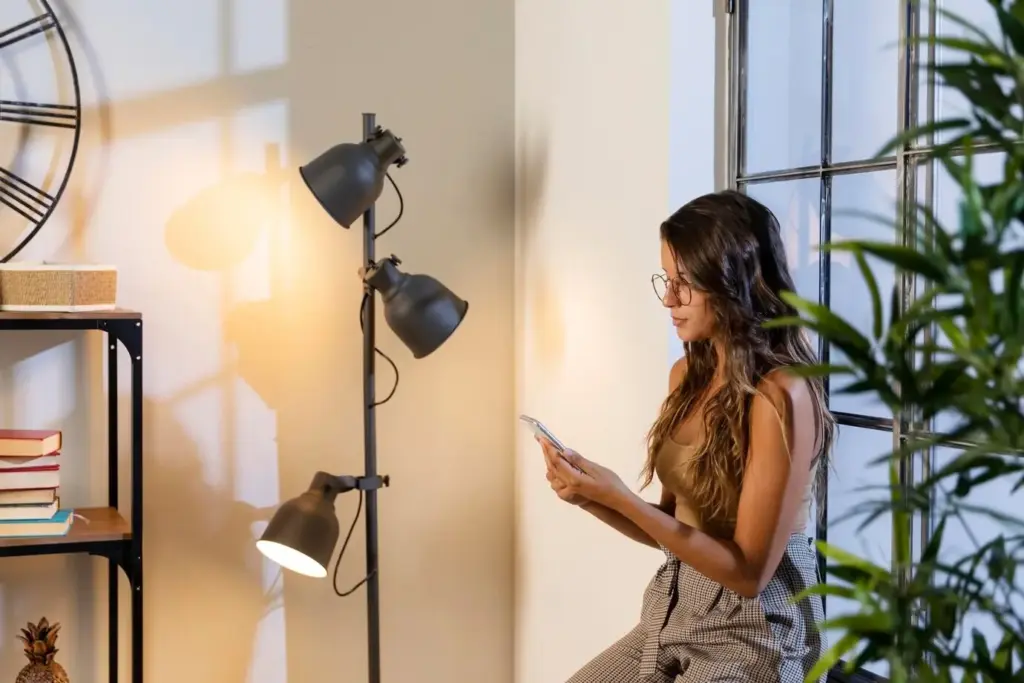
Rugs define islands of action, even in studios. A low-pile rug under a play area makes cleanup visual and finite. Aim floor lamps toward reading chairs to cue focus; bounce lamps off walls in social zones to encourage conversation. Keep sightlines clear from door to daily launch pad, so leaving feels smooth. These sensory cues make zones obvious without signage and keep transitions calm.
Landing Spots Guide Movement
Every routine benefits from a landing spot: a tray for incoming mail, a shallow bowl for headphones, a wall hook at kid height. When you designate the first resting place, you decide the next action. Landing spots shrink random piles and unlock predictable flows. Pair each with a short task—sort, plug, hang—and your rooms will quietly teach repeatable behavior without nagging or chaos.
Lighting and Sound: The Invisible Architecture
{{SECTION_SUBTITLE}}
Circadian Layers That Nudge, Not Nag
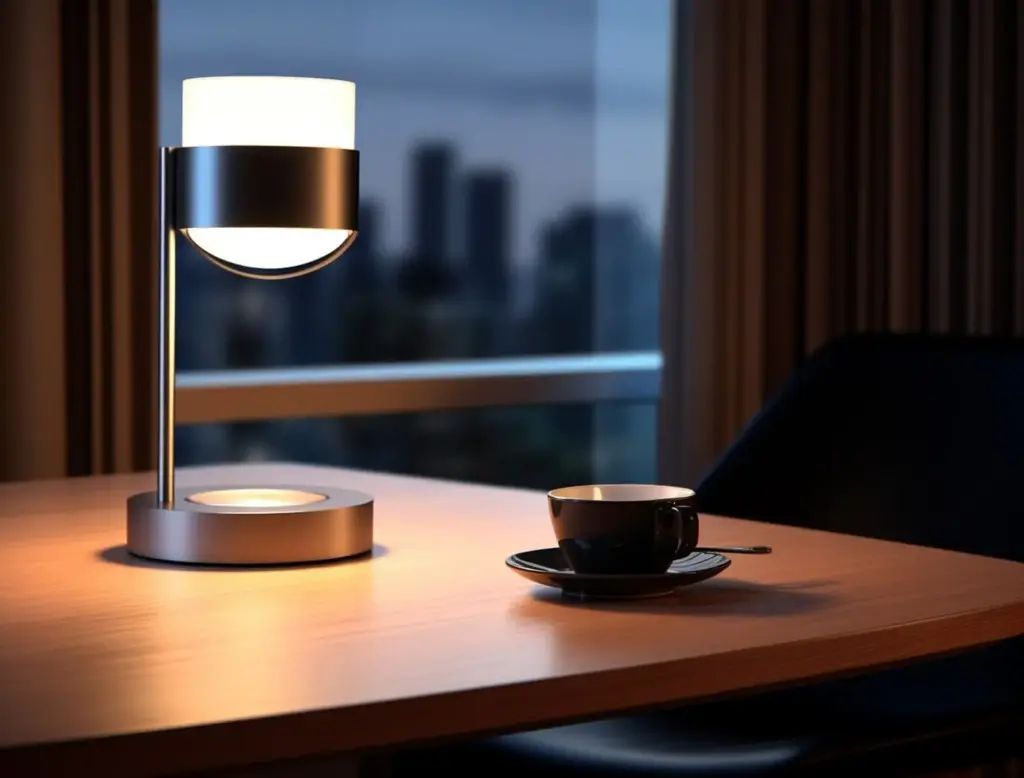
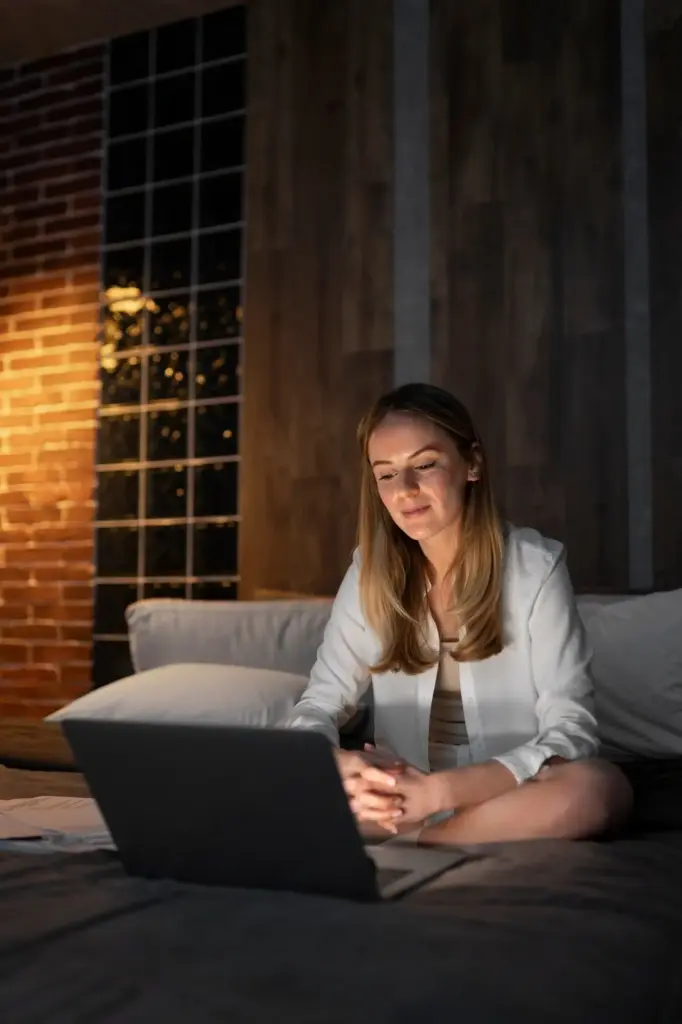
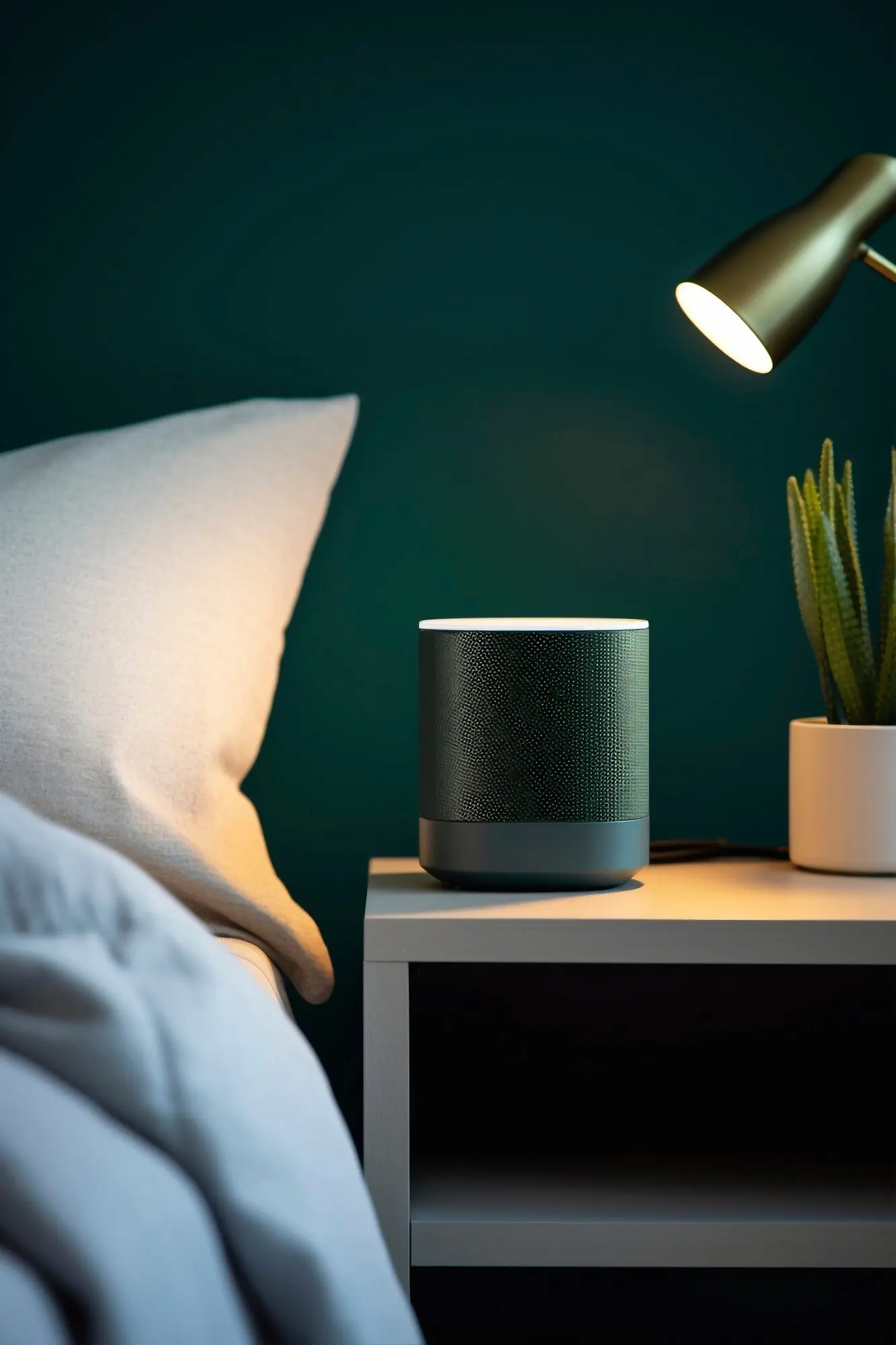
Layer overhead, task, and accent lighting. Cool-white task lamps energize mornings at the desk; warm, lower lamps soften evenings in reading corners. If smart bulbs are available, schedule gradual transitions that match your wake and wind-down windows. If not, a timer on a single lamp still works wonders. The aim is gentle nudges, not strict rules, letting comfort guide consistency day after day.

Acoustic Zoning for Focus and Play
Use textiles, bookshelves, and plush seating to absorb noise in reading or nap areas. Place durable, wipeable rugs and playful storage near louder activities like building or music. A white-noise machine outside a bedroom door can protect sleep without isolating anyone. Consider door stops and felt pads to soften movement sounds. Small acoustic moves create respectful boundaries that everyone quickly understands and appreciates.
Storage That Shortens Every Task
Storage should make action faster, not just hide belongings. Place tools where routines start and end. Keep only what you use, visible enough to invite the next step but contained enough to reset quickly. Labels, trays, and vertical reach zones turn intentions into muscle memory. When storage matches behavior, tidying becomes a light reset instead of a weekend project, and your zones stay honest and dependable.
Store lunch boxes near the sink and cutting board, not across the kitchen. Keep sunscreen by the door with hats and sunglasses. Put charging cables where you usually sit, not in a separate drawer. Proximity removes excuses, accelerates starts, and finishes loops. These tiny pairings make your home feel like a helpful partner, always handing you the right tool at the right moment.
Clear labels help partners, kids, and guests succeed without asking. Use words plus icons for quick recognition. Choose containers that reveal contents at a glance, preventing rummaging. Color-code by person or activity to reduce mix-ups. When storage communicates, everyone becomes a competent contributor, and routines stop depending on one organizer’s memory. Participation turns zones from pretty ideas into durable, shared habits.
End each high-use block with a short reset: three-song tidy, two-minute surface sweep, basket gather and return. Keep a caddy of wipes, microfiber cloths, and a mini brush nearby. The goal is momentum, not perfection. Fast resets stitch the day together, keep zones honest, and prevent clutter creep. You will close your evening feeling restored, not robbed of rest by nagging piles.
Sharing Space Without Losing Sanity
Households juggle overlapping needs: nap schedules next to video calls, creativity beside homework, workouts near dinner prep. Establish gentle signals, predictable agreements, and fair trade-offs. Use visual cues to reserve corners, earmark noise zones, and protect sleep. Revisit agreements weekly and refine what is confusing. Shared spaces flourish when boundaries are visible, kindness is routine, and every person sees how the home supports their best day.

Iterate With Data, Stories, and Small Wins
Lightweight Tech With Manual Overrides
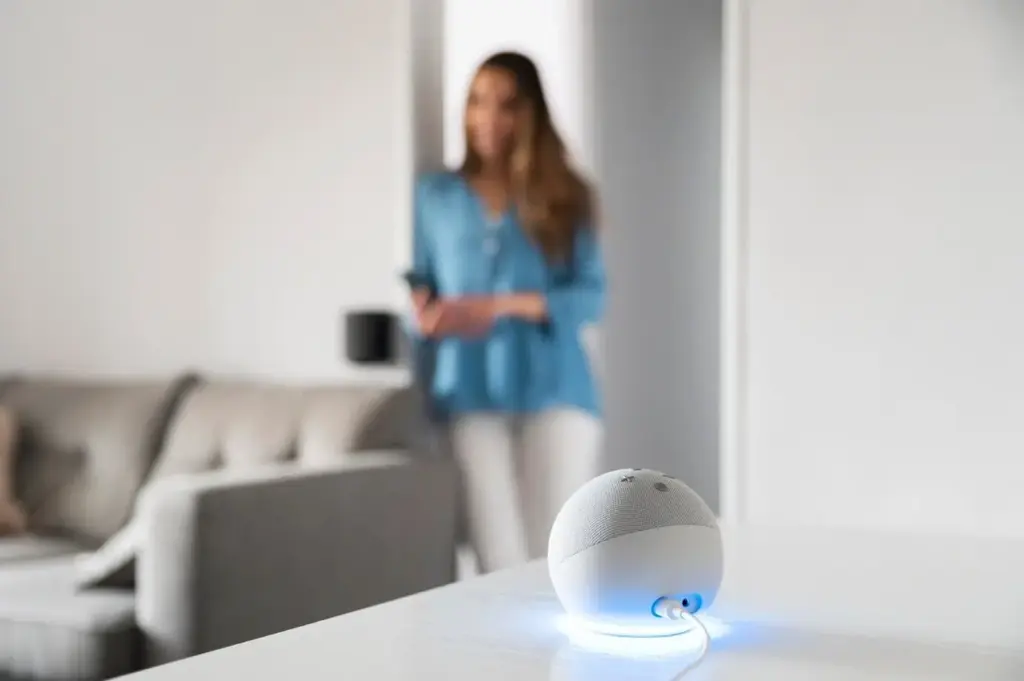
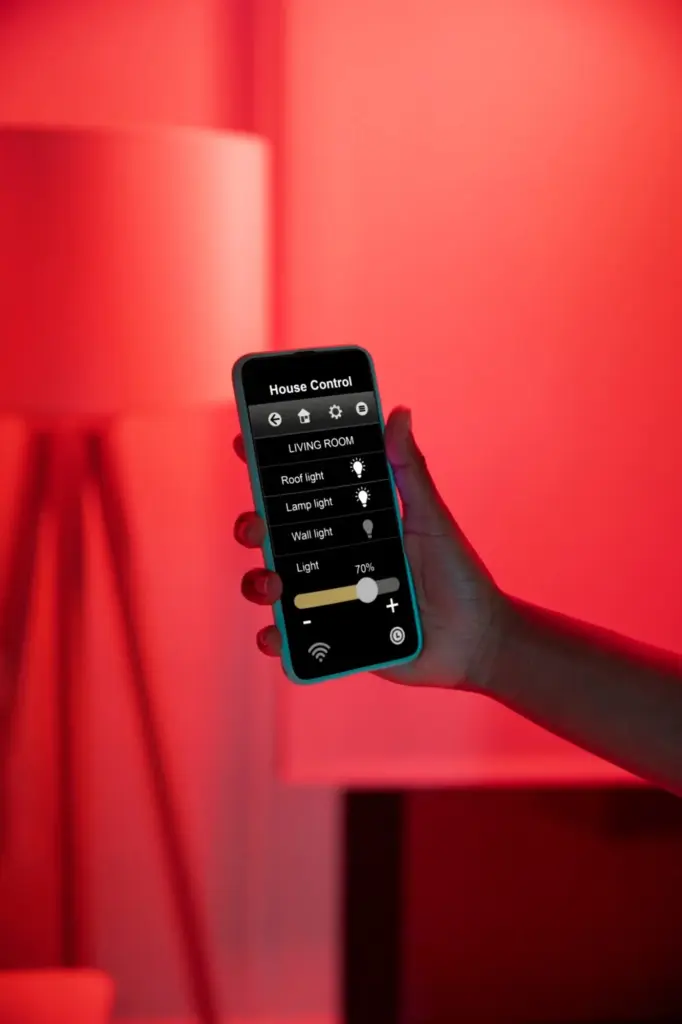
Smart plugs, scheduled bulbs, and simple sensors can cue routines, but always include a physical switch or easy override. Technology should support, not dictate. Start with one automation tied to a meaningful moment, like turning on a reading lamp at bedtime. If it reduces friction and feels kind, keep it. If it irritates, delete it without guilt and try a simpler cue.
Micro-Experiments Over Makeovers
Test one change for one routine over one week. Move the kettle, add a rug, relocate a charger, or introduce a tray. Measure stress before and after with a quick one-to-five rating. Keep only what measurably helps. These small wins compound, building a home that evolves with you instead of demanding expensive, all-at-once transformations that rarely fit real, changing lives.
Invite Feedback, Share Photos, Subscribe
Your experience teaches others. Post a quick photo of your launch pad, reading corner, or reset caddy, and tell us what surprised you. Ask for advice on tricky overlaps, like remote work and toddler play. We respond with respectful, practical ideas. Join our updates for seasonal checklists, gentle challenges, and real-case breakdowns that make Routine-Based Home Zoning feel attainable, personal, and joyfully ongoing.
All Rights Reserved.