
Turn Tiny Spaces into Habit Powerhouses

Today we’re exploring Habit-Stacking Micro-Zones: Using Environmental Cues to Make Good Habits Stick, showing how small, purpose-built spots and deliberate prompts can reduce friction, anchor routines, and transform daily behavior. Expect practical layouts, research-backed nudges, playful experiments, and community challenges you can start immediately, even in a studio apartment, a busy office, or a shared kitchen.
Why Small Spaces Shape Outsized Routines
Our actions follow the path of least resistance, and environments quietly set that path. Studies on context-dependent behavior suggest nearly half of what we do each day runs on cues, not deliberation. By carving tiny, clearly labeled spaces for single behaviors, you replace vague intentions with physical prompts that ask almost nothing from willpower. When the cue is visible, the tool is ready, and the next step is smaller than hesitation, action becomes the default. That is the power of micro-zones: less thinking, smoother starts, and consistent follow-through without exhausting self-control.
The Brain Remembers Places Better Than Promises
Your brain binds actions to places, scents, and sequences, which is why promises made in bed dissolve by breakfast. If a floss pick sits beside the toothbrush, the environment finishes the instruction your intention began. Stacks work best when the anchor is stable, the cue is obvious, and the next action is embarrassingly small, so momentum can carry you past the first second of resistance.
Friction Is a Lever You Can Move Inches at a Time
Friction hides inside doors, lids, batteries, distance, and decisions. Remove one hinge, reveal the behavior. If water lives on your desk in a bright bottle, you will drink more. If the mat is already unrolled where you step after coffee, stretching happens almost before you notice. Shave seconds, simplify choices, and the easiest option quietly becomes the right one, again and again.
Designing Micro-Zones That Practically Do The Habit For You
Prep bowls under the front shelf, cutting board always clean and accessible, produce washed and visible at eye level, herbs in a jar by the knife. When ingredients are within reach and a single surface awaits, chopping begins effortlessly. Add a small compost bin, a favorite spice blend, and a laminated quick recipe to remove hesitation and invite healthy, repeatable action.
Clear the desk except for one task tray, a notebook opened to today’s page, and a timer set to the first sprint. Hide chargers and unrelated gadgets. Put noise-canceling headphones on a minimalist stand within reach. When you sit, there is nothing to negotiate; the next move is obvious. Every object points in the same direction, and the work begins itself.
Place shoes, socks, and a loaded gym bag beside the door, keys in a bowl above them, and a lightweight jacket on the same hook. Add a small bench for lacing and a motivational playlist tile near the exit. When you leave, inertia loses. The easiest path is movement, and the day opens with a win before emails arrive.
Stacking Actions Onto Reliable Anchors
Habit stacking shines when you attach a tiny action to something you already do at a precise time and place. The formula works because you bypass deliberation and piggyback on an existing rhythm. Write it clearly, stage the environment, and practice until the link feels automatic. If the anchor moves, the habit moves with it, preserving consistency without complicated scheduling or alarms.

Morning Rails: Kettle, Breath, Sunlight, Momentum
After the kettle clicks, stand tall, breathe deeply for three slow cycles, and step into sunlight for sixty seconds while the mug warms your hands. Keep the mug near the door and the slippers beside the mat. The choreography removes debate, invites alertness gently, and jump-starts concentration before screens start shouting for attention.

Evening Wind-Down: Dimmer Switches for the Mind
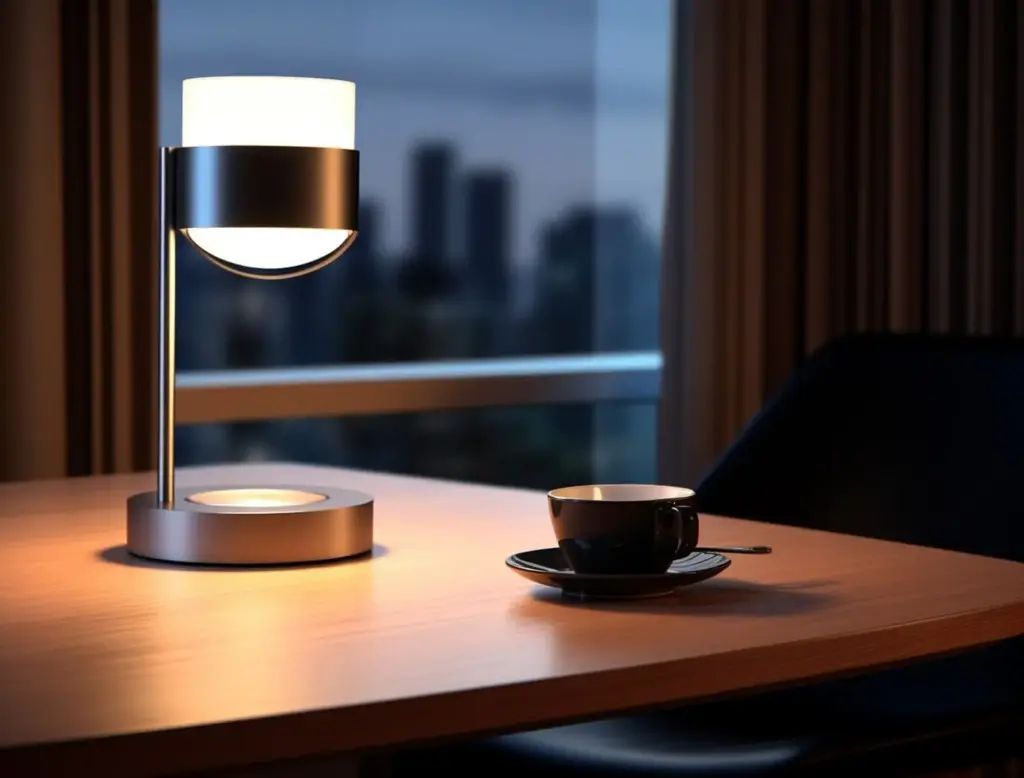
Pick a lamp that only turns on for evening reading, place the novel on your pillow every morning, and set a ten-minute sand timer next to it. After brushing, lights change, timer flips, and pages turn. The ritual signals rest without arguments with yourself, and sleep arrives more steadily because the route into night is well-marked and practiced.



Sensory Cues, Choice Architecture, and Gentle Defaults
Our senses steer decisions faster than conscious deliberation, so design the space to make the desired action the most attractive, reachable, and pre-selected choice. Place the right item in the visual spotlight, reduce options, lighten the cognitive load, and build gentle defaults that do not scold. When your environment whispers instead of nags, consistency feels like relief, not restraint.

Roadblocks, Ruts, and Easy Resets
Every system meets friction: travel scrambles routines, roommates move tools, motivation dips. Plan graceful failure modes in advance. Portable kits carry cues across locations, shared agreements preserve goodwill, and minimum viable versions keep streaks alive. When disruption arrives, you pivot instead of pausing indefinitely, and the habit survives long enough to become part of your identity, not a fragile challenge.

Low-Friction Tracking That Feeds Momentum
Use a wall calendar with bold dots, a pocket tally counter, or a clear jar where you drop a bead after each session. These simple signals feel satisfying without pressure. Pair them with before-and-after photos of micro-zones to notice how tidier spaces predict consistency. The feedback is quick, honest, and easy to keep up with daily.
Feedback Loops and Tiny Rewards That Don’t Backfire
Attach a small, immediate reward to the completed action: a favorite song, a quick stretch, a message to a friend celebrating the checkmark. Log a one-sentence reflection about what helped. Those tiny reinforcers teach your brain the pattern worth repeating while keeping outcomes flexible. You become consistent because the process itself feels welcoming, even on rough days.
All Rights Reserved.