
Spaces That Flex with Your Day

Today we’re exploring transformable small-space layouts, where zones shift with time‑of‑day tasks to serve your changing energy and needs. Watch a compact home wake as a sunrise movement corner, pivot into a focused workstation by noon, then welcome friends with an evening dining lounge. Expect practical strategies, lived stories, and clear steps you can apply tonight, designed to multiply usefulness, protect comfort, and preserve your personal style without clutter or compromise.
Foundations of Flexible Zoning
List the moments that actually happen in your place, not the ones you wish might. Morning stretches, coffee prep, video calls, meals, workouts, reading, guests, and sleep each require different tools and mood. Group compatible activities, stagger those that clash, and align storage nearby. A simple day diagram guides purchases and prevents impulse clutter, helping your space feel intentional, forgiving, and ready to switch without stress.
Deliberately create edges using light, texture, and elevation. Layer dimmable ambient light with directional task beams to suggest focus, then warm accent lighting to invite conversation. Use rugs and ceiling-mounted curtains to mark zones that breathe. Vary material underfoot for subtle cues. Shelving, plants, and art act as permeable boundaries, maintaining openness while signaling purpose. Your eye understands the choreography, so transitions feel graceful and effortless.
Flexible spaces fail if movement snags. Measure clear pathways for chairs, carts, and fold-down elements, and protect knuckles, toes, and cables with rounded edges and tidy routing. Consider mobility, reach, and fatigue when placing frequently used items. Stable anchors, anti-tip hardware, and soft-close hinges make resets quicker and quieter. When the day runs late, tactile switches, night lighting, and intuitive layouts keep the environment kind, safe, and confidently navigable.
Furniture that Works Twice
Let every piece earn a double paycheck. A wall bed frees studio floors for midday work. A lift-top coffee table becomes a desk. Nesting side tables expand for guests. Ottomans hide dumbbells and blankets. Quality mechanisms matter, because clunky hinges sabotage daily use. Choose resilient finishes, rounded corners, lockable casters, and breathable fabrics. When conversion feels smooth and dignified, you will actually reset the room, every single day.
The Murphy Matrix
A wall bed transforms sleeping footage into daytime productivity. Evaluate anchoring into studs, ceiling height, counterbalance springs, and mattress weight so lifting stays effortless. Integrate shallow shelves for nighttime essentials, add a fold-down sconce, and stash bedding in ventilated drawers. Leave reliable clearance for bedding, legs, and pets. When morning comes, six calm motions put your floor back to work, creating a repeatable ritual that truly sticks.
Tables for Meals and Meetings
Select a table that glides between roles without wobble. Lift-top coffee tables bring keyboards to ergonomic height, then descend for tea. Drop-leaf dining expands for friends yet hugs the wall on quiet nights. Extending consoles hide office drawers beside serving trays. Heat-resistant, easy-clean surfaces simplify the flip. Felt pads and cable pass-throughs keep the motion quiet and safe. Suddenly, one sturdy plane hosts spreadsheets, sketchpads, and celebratory cake.
Light, Sound, and Comfort Across Hours
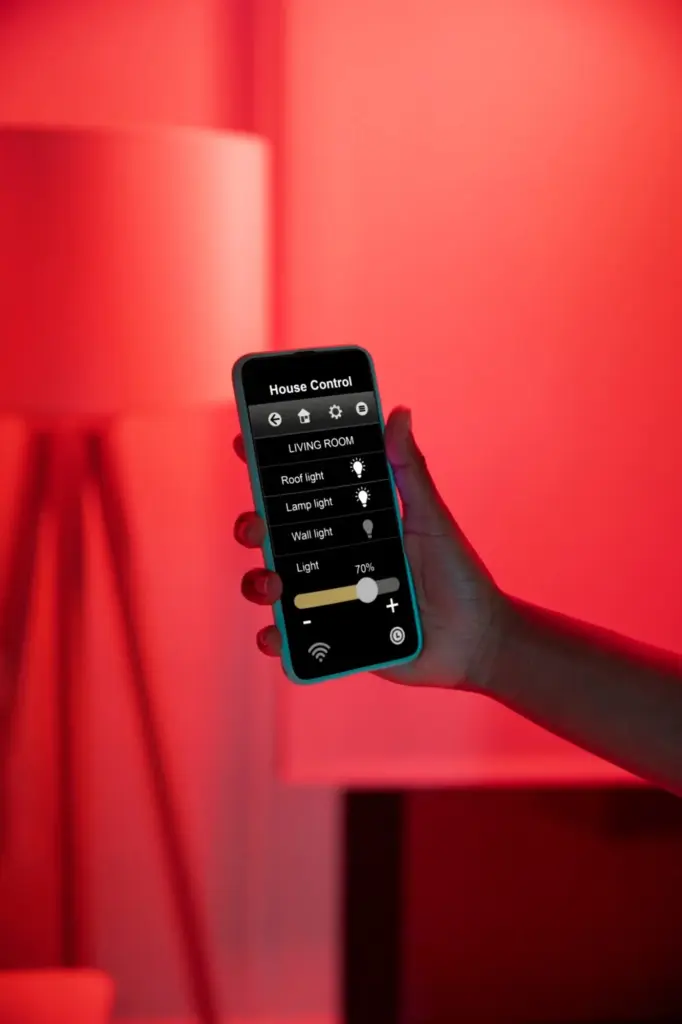
Mood and performance ride on sensory tuning. Circadian-friendly lighting supports alert mornings and gentle evenings. Acoustic softening protects focus and sleep. Small-space thermal strategies stabilize comfort without bulky systems. Scent and sound cues help your body switch modes. When these layers align, transitions feel automatic, making resets faster and more satisfying. Your compact home becomes a responsive environment, not a compromise, reinforcing well-being from dawn to midnight.

Storage that Disappears and Reappears
Clutter sabotages transformation. Prioritize storage that is reachable, labeled, and silently clever. Use vertical planes, hollow furniture, toe-kick drawers, and over-door racks. Group items by activity and keep kits portable, so everything moves as a unit. Label with words, not mysteries. Seasonal rotations free precious volume. When retrieval and put-away take seconds, your space resets without friction, unlocking daily consistency and preserving the calm you designed.
Movable Boundaries and Micro‑Architecture
When furniture alone cannot shift intentions, add lightweight partitions to sculpt space. Ceiling tracks glide curtains for privacy and darkness. Sliding panels, pivot doors, and pocket solutions protect flexibility while controlling noise and sightlines. Backless bookcases become porous walls. A collapsible phone booth supports calls in noisy homes. Smart glass and projection screens multitask. The goal is breathable definition that appears when needed, then vanishes, leaving the footprint open and bright.
A Day in a 28‑Square‑Meter Studio
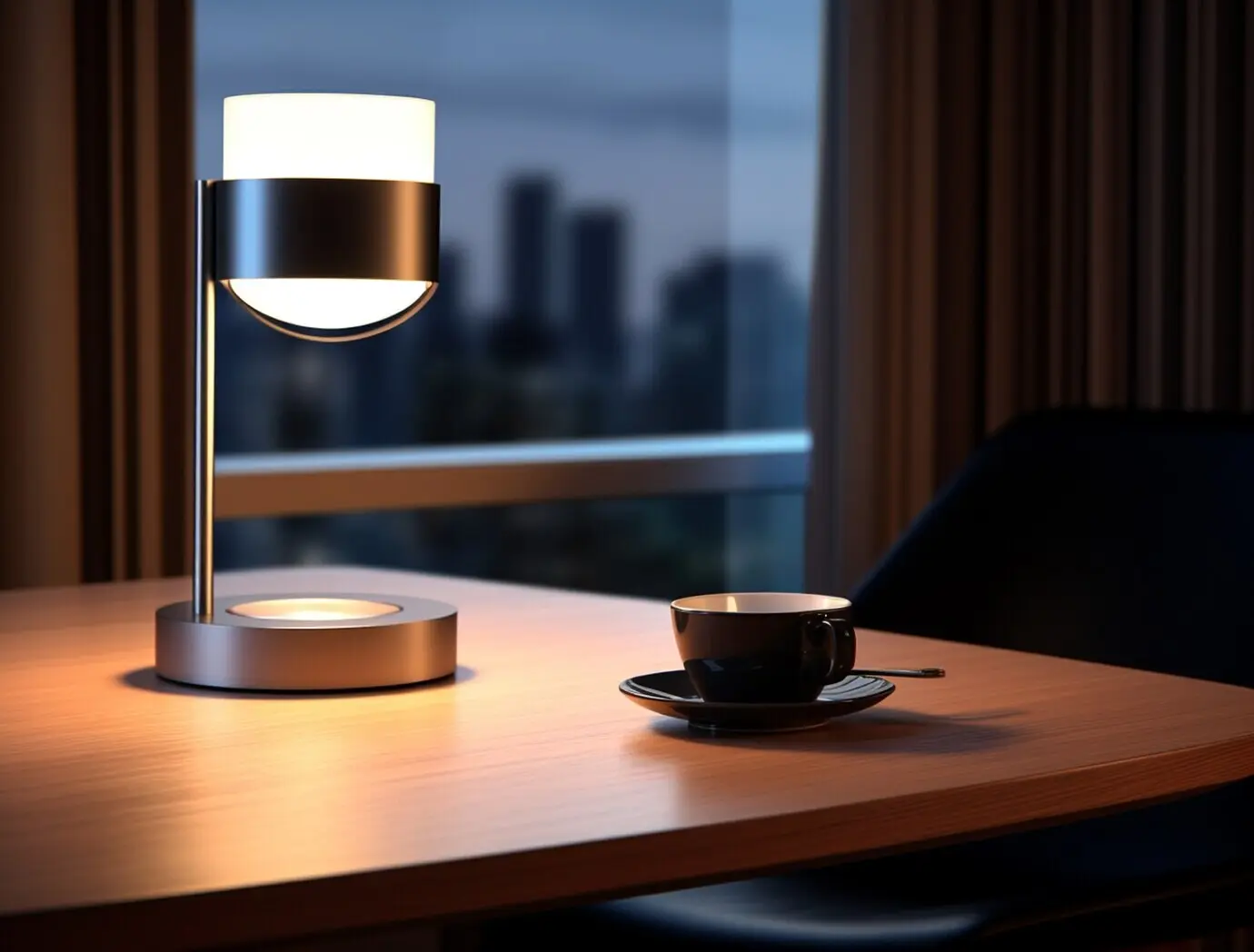
Follow Jamie through one compact home that changes with the clock. At sunrise, a wall bed rises and a yoga mat lands by the window. By noon, a lift-top table and acoustic curtain shape a focused workstation. Evening welcomes friends with an extended console and pendant glow. Measured outcomes show calmer mornings, fewer misplaced items, and more spontaneous dinners. Share how your day flows, and we will learn together.
All Rights Reserved.