When Your Home Understands Your Routine
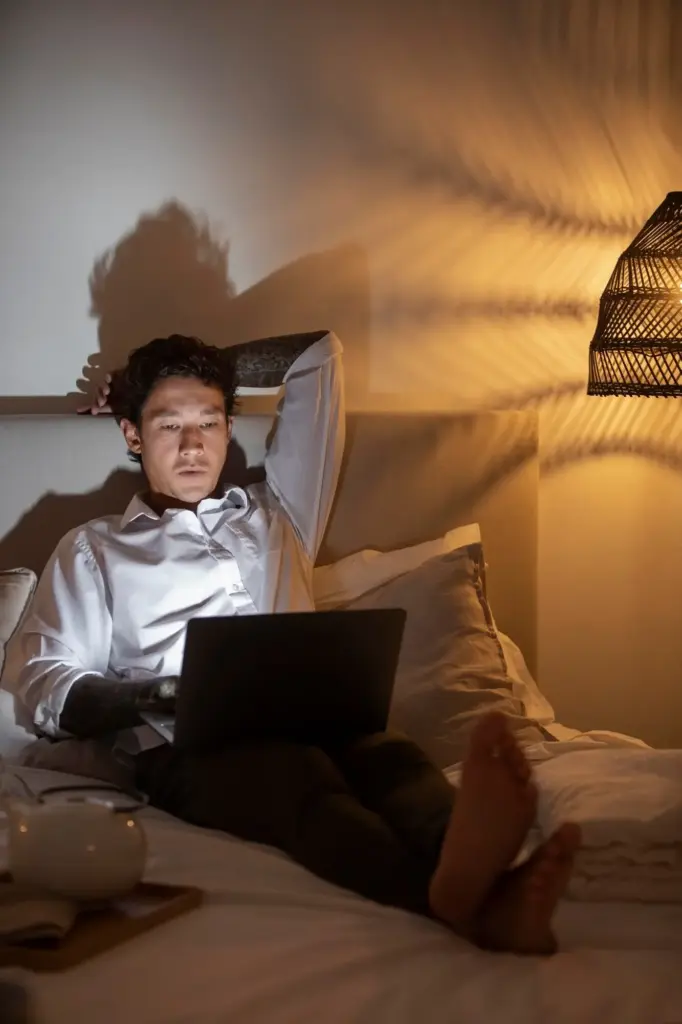
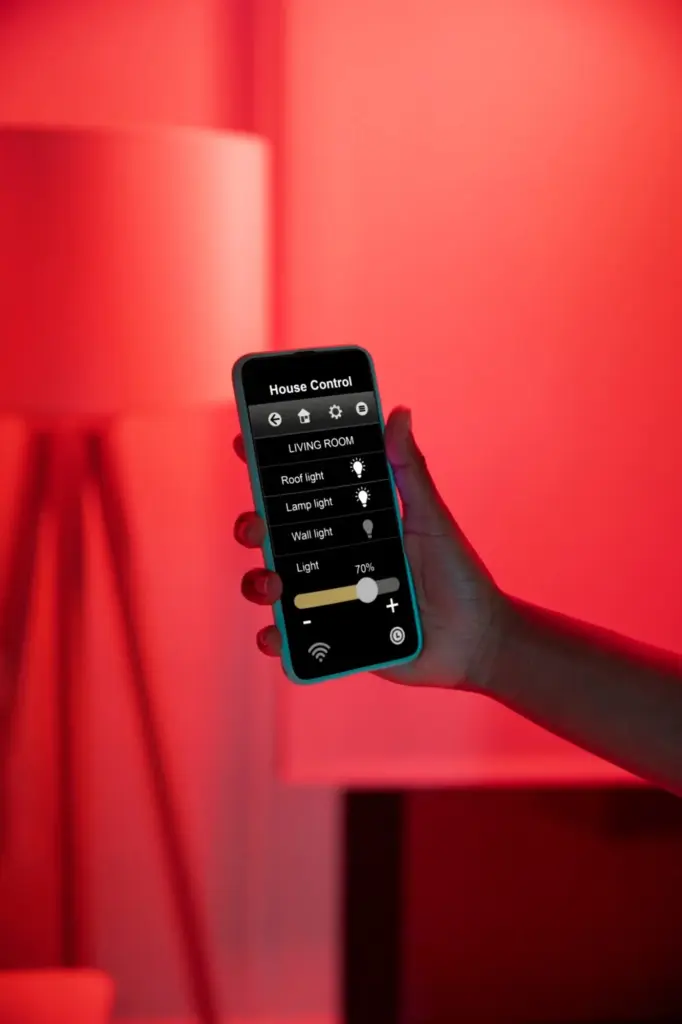
Today we explore Routine-Driven Smart Home Scenes: Sensors and Automation Aligned to Activity Zones, showing how everyday patterns can guide lighting, climate, media, and safety. Instead of crude schedules, your spaces respond to purpose, presence, and time, gently anticipating needs while guarding privacy, saving energy, and making each room feel intentionally ready before you even arrive.

Mapping Activity Zones, Not Just Rooms

A living room can host yoga, movie nights, and focused reading, each calling for different light, sound, and temperature. By mapping activity zones—like prep, cook, and dine in one kitchen—you unlock scenes that follow intent. Sensors become storytellers, distinguishing lingering presence from passing traffic, turning guesswork into graceful, reliable responses across the entire day.

Kitchen Prep, Dining, and Cleanup

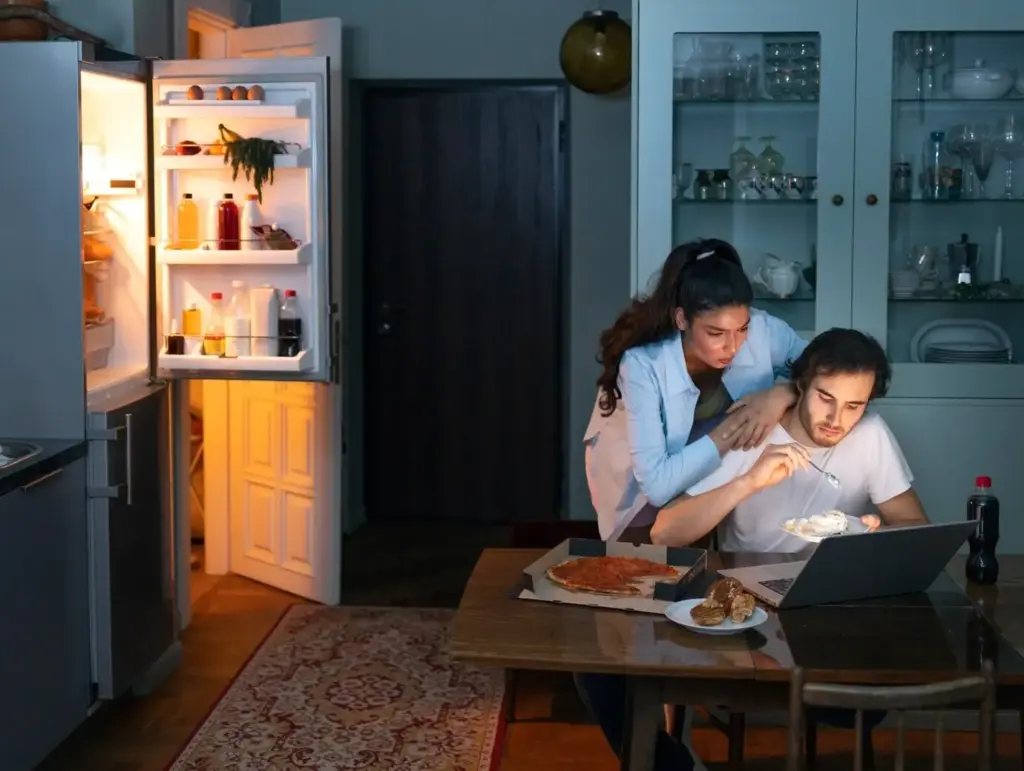
Prep demands bright, shadow-free light near counters; dining prefers warm, relaxed tones; cleanup benefits from focused task lighting and subtle fan control. Pair motion with counter-edge light sensors, stove current draw, and sink splash detection to infer stage changes. Music volume, range hood speed, and dimmer levels shift smoothly as your actions move across zones.

Work Nook Versus Living Lounge

A compact desk near the window needs daylight-boosted brightness, monitor-friendly bias lighting, quiet climate, and notification muting. The lounge craves softer illumination and richer audio. Combine mmWave presence, laptop power usage, seat pressure, and ambient sound to tell focused work from relaxation. Your home shifts posture naturally, supporting deep concentration or restorative downtime.

Nighttime Paths and Gentle Guidance

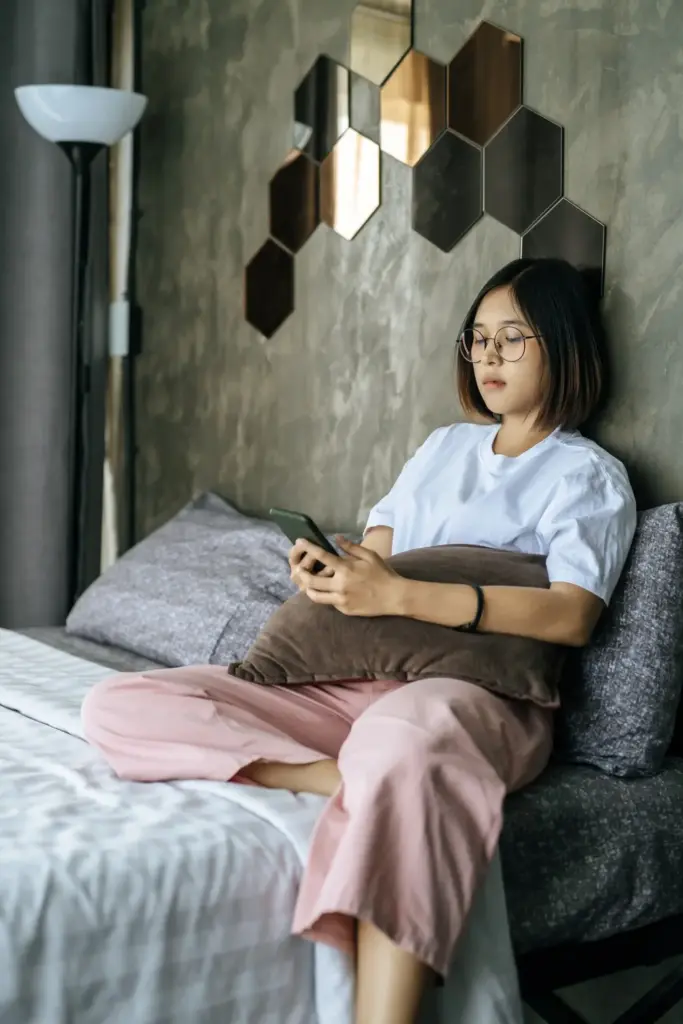
Midnight trips should feel safe and non-intrusive. Low-level floor or toe-kick lighting guides steps without waking the house. Motion plus very low lux triggers subtle illumination, while bedroom lights remain dimmed. Bathroom fans ramp quietly based on humidity spikes. The hallway temporarily leads, then fades, like an attentive companion who knows when to step back.

Sensors That Recognize Context

Context matters more than raw motion. Presence without movement, environmental shifts, and device state together paint a reliable picture. Rather than reacting to a single ping, combine signals into confidence scores that choose the right response. This layered approach reduces false triggers, supports nuanced scenes, and keeps the system calm, predictable, and delightfully human-aware.

Orchestrating Scenes Across Time

Time frames the day, but life rarely follows rigid schedules. Blend temporal cues with sensor data to soften transitions. Morning can unfold in gentle steps, work stretches protect deep focus, and evenings help bodies unwind. Rather than abrupt switches, orchestrate progressive changes, like a conductor guiding dynamics, tempo, and balance so routines feel fluid and personal.

Privacy, Safety, and Reliability by Design
Trust is the foundation. Keep critical logic local where possible, limit data sharing, and give people clear controls. Design scenes that fail gracefully during outages, prioritize safety over convenience, and make consent visible. Build understandable rules so family members and guests feel empowered, not monitored. A respectful system earns its way into daily life and stays useful.

Local-First Logic and Resilient Fallbacks
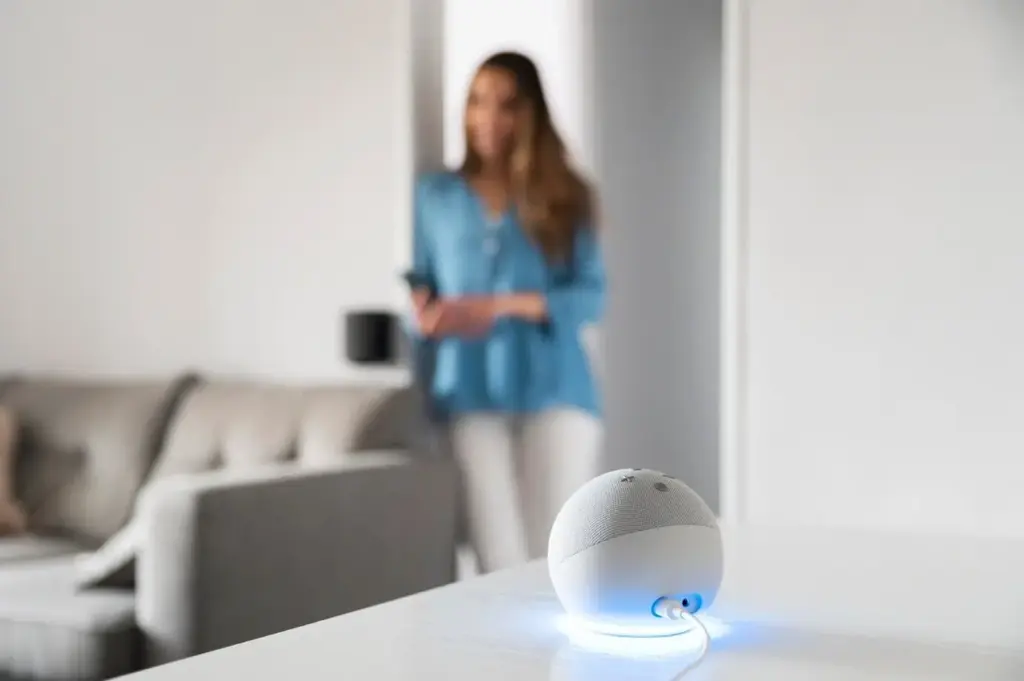
When the internet blinks, your lights should not. Run core automations on a local hub, mirror critical rules, and cache states. If a service is unreachable, default to a safe baseline. Offer quick physical overrides through switches and buttons. Reliability turns clever ideas into dependable habits, protecting comfort and safety without drawing attention to infrastructure behind the scenes.

Consent, Guest Modes, and Transparency

Visitors deserve clarity. A simple guest mode card explains what to expect, which sensors are active, and how to silence automations. Children benefit from clear labels and predictable behavior. Provide dashboards that show what triggered changes and why. Consent transforms mystery into collaboration, inviting everyone to shape the experience and nudging automation toward empathy rather than surveillance.

Efficiency Without Sacrificing Comfort

Adaptive HVAC by Zone and Habit

Direct airflow where people linger using smart vents, TRVs, and ceiling fans that respond to mmWave occupancy and CO₂. Precondition only when patterns suggest return, using geofencing with confidence thresholds. During sleep, prioritize the bedroom microclimate, not the whole house. Measured comfort improves while runtime drops, demonstrating that precise attention beats blunt uniformity almost every single day.

Lighting That Learns from Use

Track manual adjustments to discover preferred brightness, color temperature, and fade speed by activity and time. If you consistently nudge reading lights warmer, codify it. Use ambient lux to keep rooms balanced with the sky. Avoid hard schedules in favor of gentle curves and confidence scores. Soon, fewer taps are needed because the defaults feel eerily correct.

Water and Appliance Awareness

Leak sensors and smart valves protect floors and peace of mind. Power monitoring on washers and dishwashers predicts cycle completion, triggering notifications only when presence suggests you can act. Hot water recirculation follows morning patterns, then idles. These small, tangible efficiencies add up without daily micromanagement, turning maintenance into quiet competence rather than a constant background chore.

From Prototype to Daily Habit

Start Small, Measure, and Tune

Pick a hallway or desk nook as a sandbox. Log sensor events and responses, noting when lights felt late or too eager. Adjust timeouts, brightness curves, and trigger thresholds. Celebrate each reduction in manual overrides. Data gives intuition a compass, guiding momentum without perfectionism, making every improvement stick because it solves something you actually feel every day.

Stories from Real Homes

A reader mapped bedtime routines to soft path lighting and heater pauses, cutting nighttime wakefulness from children by half. Another used CO₂ spikes to trigger window prompts, reporting clearer afternoon focus. These lived details inspire better design than any spec sheet. Share your experiences so others can avoid detours and improve their own quiet, meaningful victories at home.

Join the Conversation and Shape What’s Next

Leave a comment describing your most satisfying automation moment, or the frustration you want solved. Subscribe for deep dives, diagrams, and templates you can import. Vote on upcoming experiments and contribute data points anonymously. This community turns good ideas into repeatable practices, ensuring our homes learn faster together, with empathy guiding every decision we choose to automate.
Fapukonituroxamura
Privacy Overview

This website uses cookies so that we can provide you with the best user experience possible. Cookie information is stored in your browser and performs functions such as recognising you when you return to our website and helping our team to understand which sections of the website you find most interesting and useful.